¶ 1. How to store your unpacked filaments?
All fused deposition modeling (FDM) 3D printing filaments are hygroscopic.
This hygroscopicity can wreak havoc on filaments. Being plastic polymers, they're made of chains of molecules strung together. The water molecules in moisture break up these chains, ruining plastic and causing a whole slew of problems while printing.
To know how to avoid dampening the filament, please go to the article Store the filament to learn about the methods.
¶ 2. What will happen if the filament is damp?
Different filaments absorb moisture at different rates, but there are a few common signs that you’ve got a wet spool:
| - Popping or cracking sounds when extruding | |
|---|---|
| - Severely reduced part strength and layer adhesion |
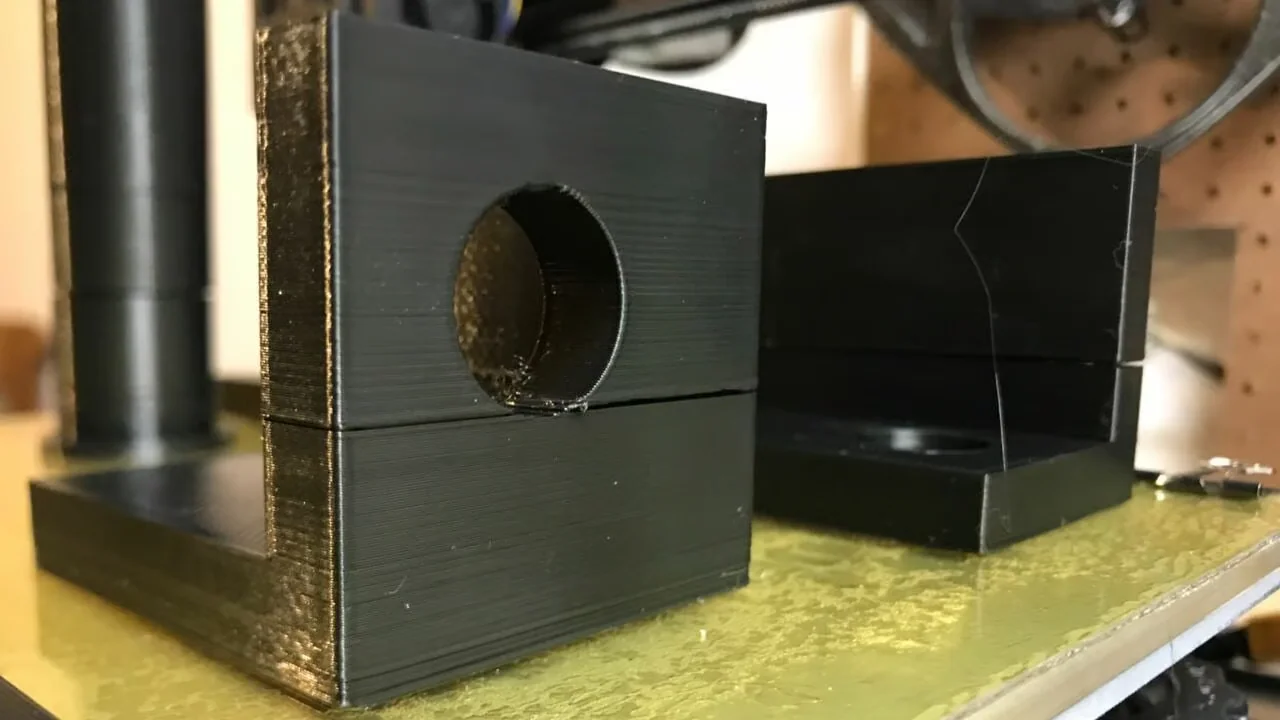 |
| - Severe stringing, blobbing, or oozing |
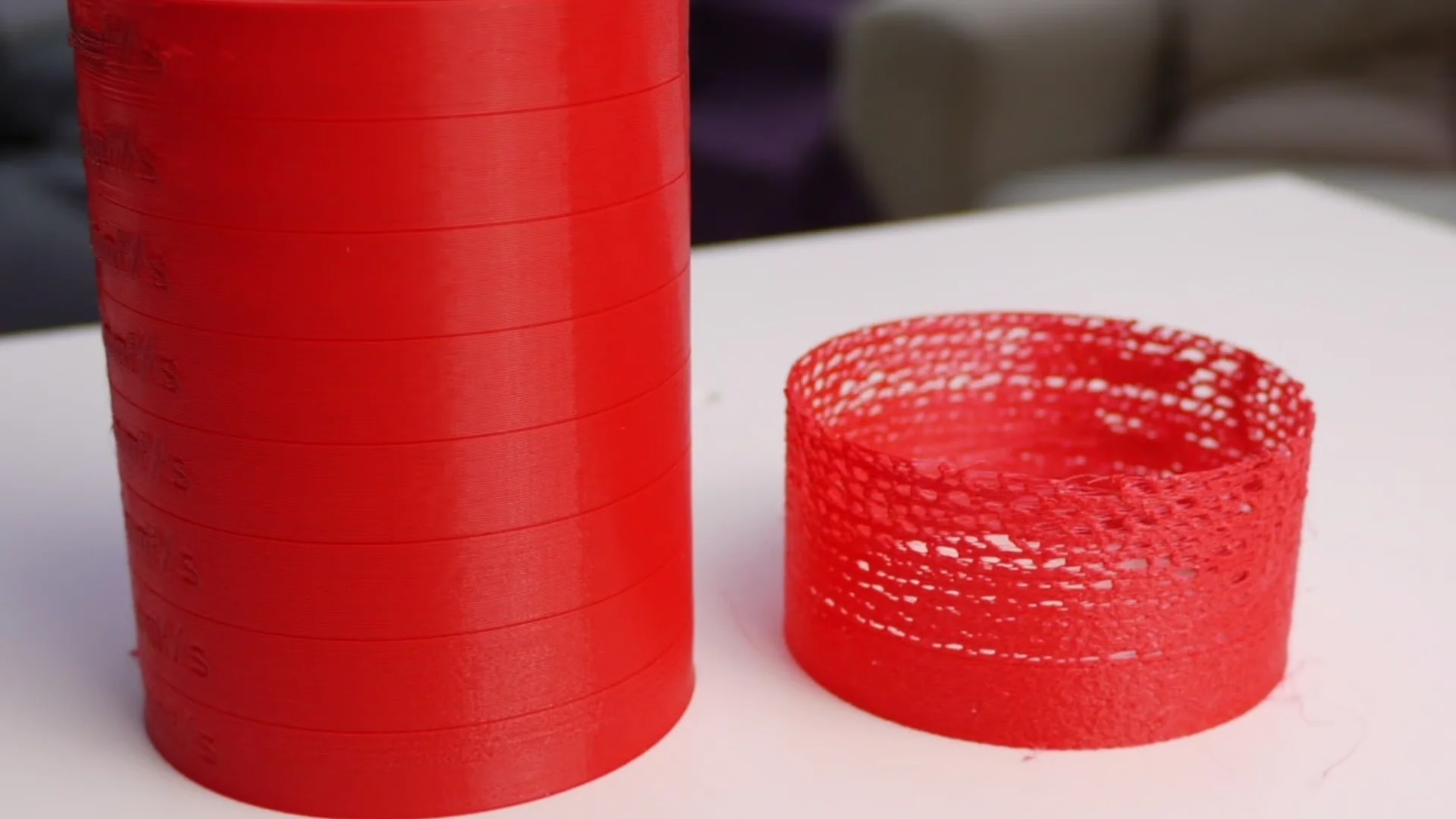 |
| - Uncharacteristically textured or “fuzzy” surfaces on prints |
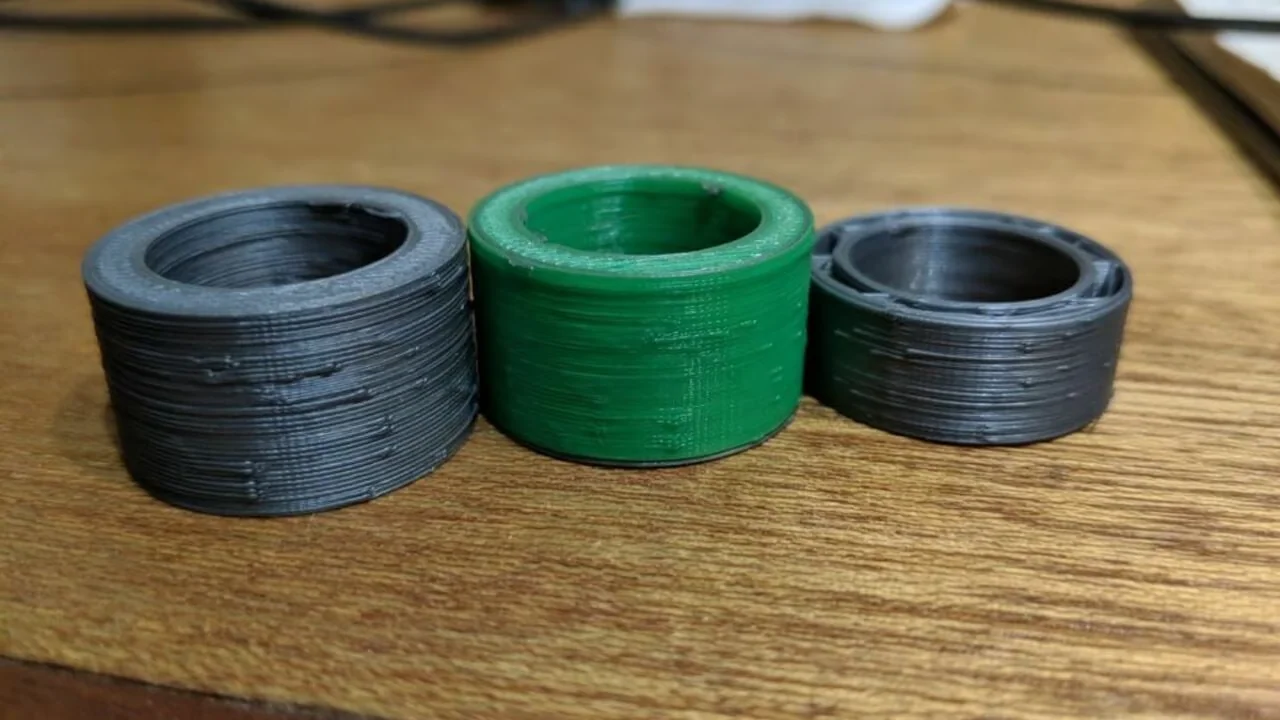 |
If you're noticing any of the above, it's time to dry your filament.
¶ 3. How to dry the damp filaments?
¶ 3.1 Dry filaments using kitchen supplies
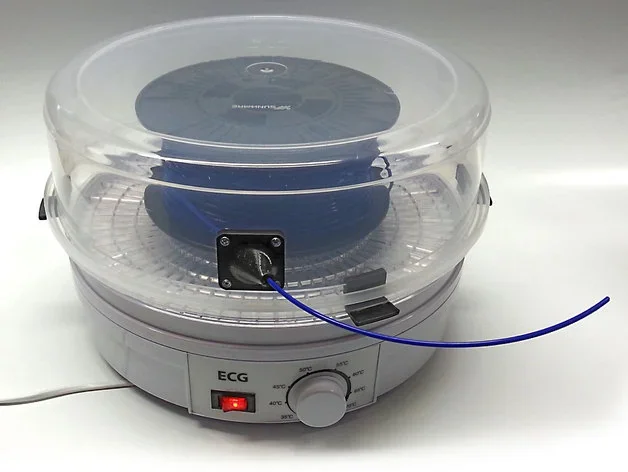
If you don't have a large filament inventory or you don't have many wet filament spools, you can dry them with your kitchen supplies, like oven or foodstuff dryer.
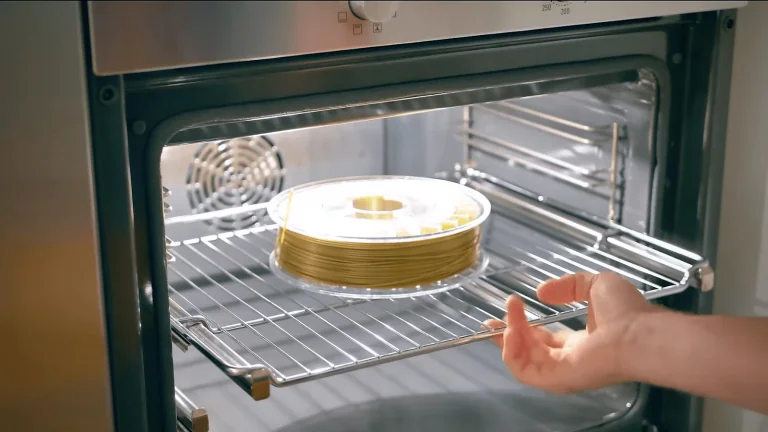
|
|
¶ 3.2 Dry in an industrial oven
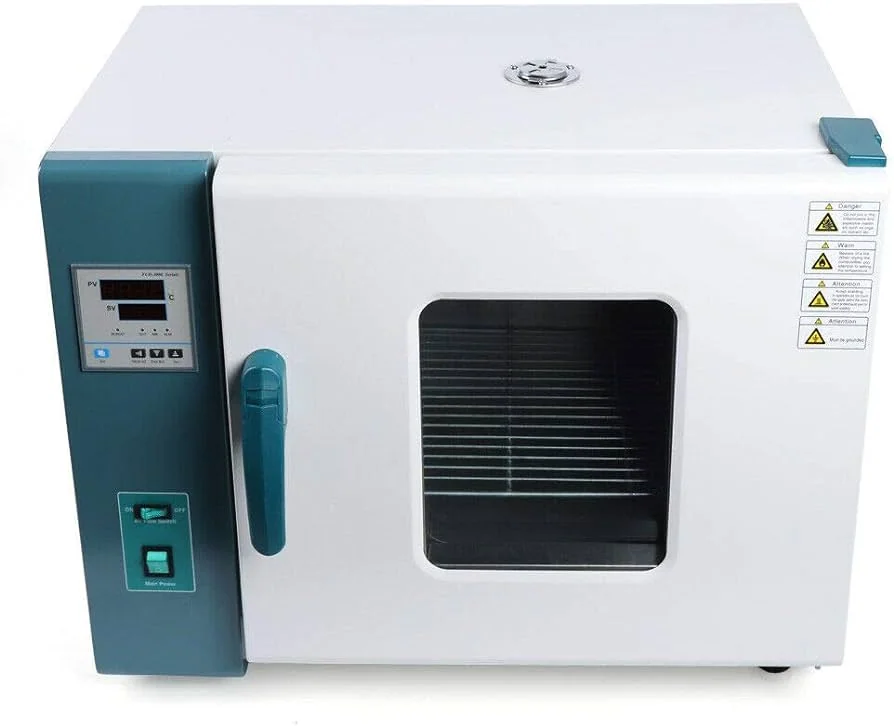
If you have a lot of filaments in-house, you might have a big chance to dry a lot of wet filaments.
¶ 3.3 Drying temperature
Remember to set the oven or dryer at a proper temperature:
PEA: 50°C/122°F
Regular PES and PES-FR: 60°C/140°F
Light-tight White and Black PES and PES-FR: 55°C/131°F
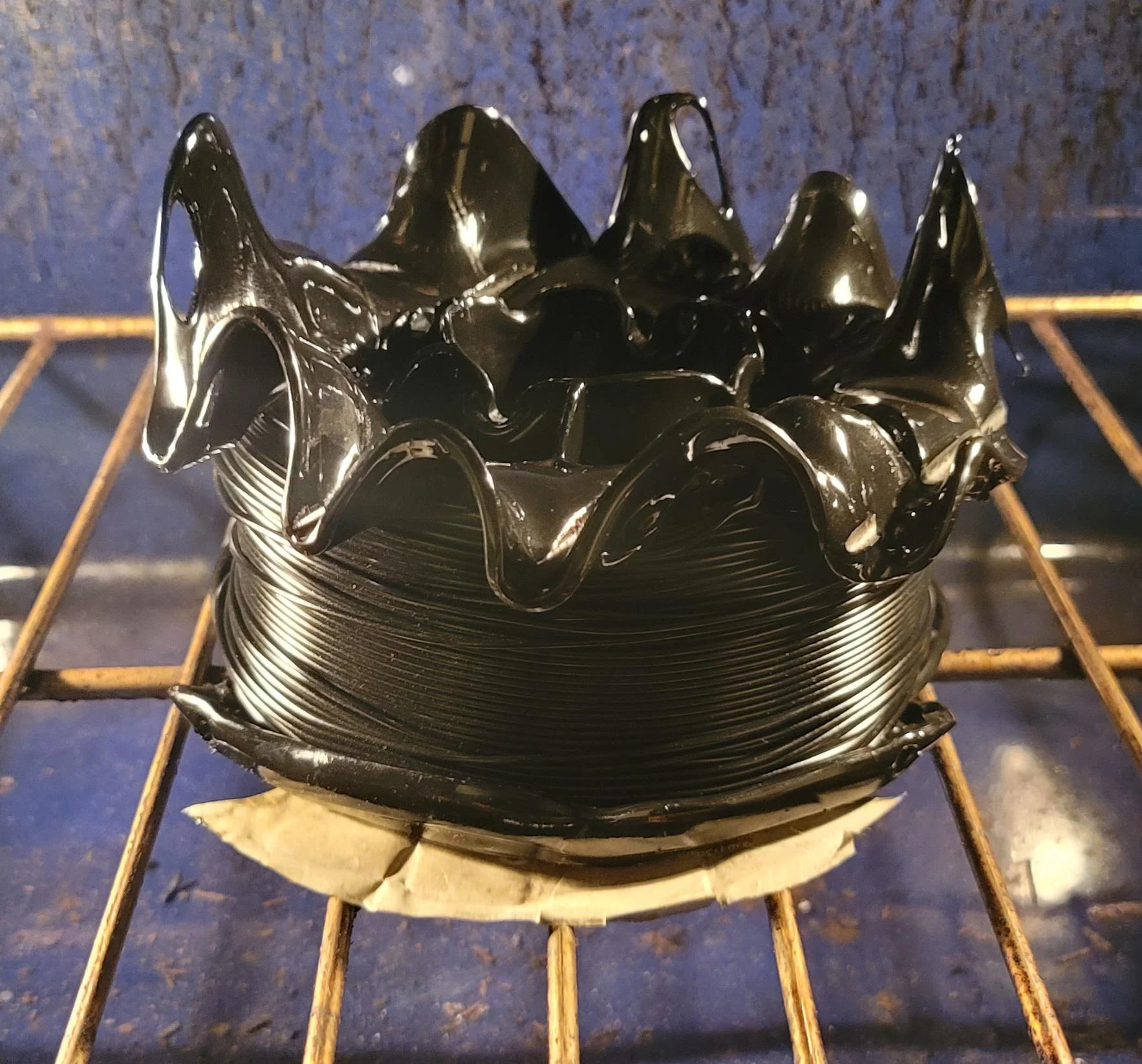
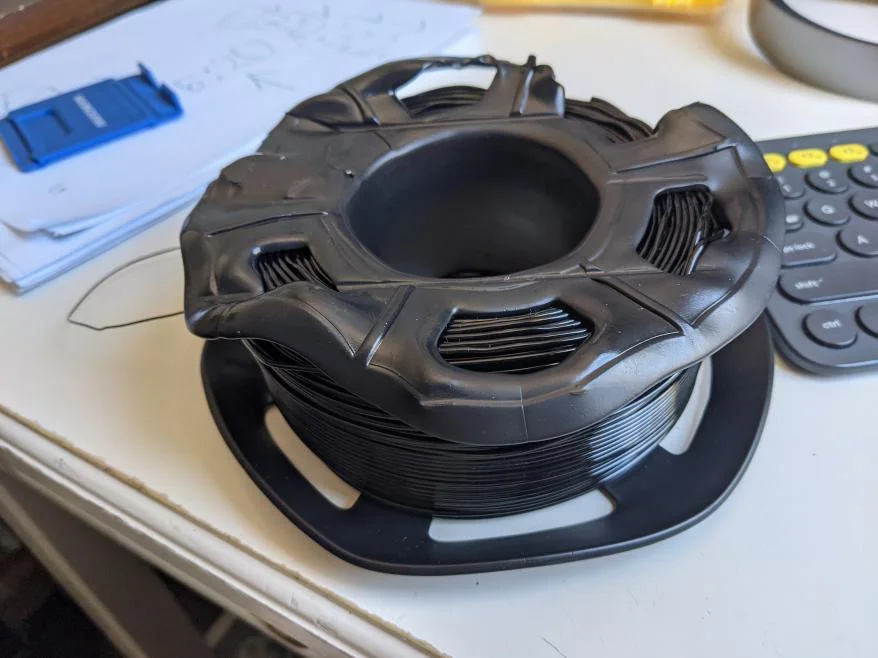
Note that too high temperatures will ruin the filaments: ↓
 |
 |